Mission Convergence’s (Samajik Suvidha Kendra (SSS))
GOVERNMENT PROJECTS
SPOWAC
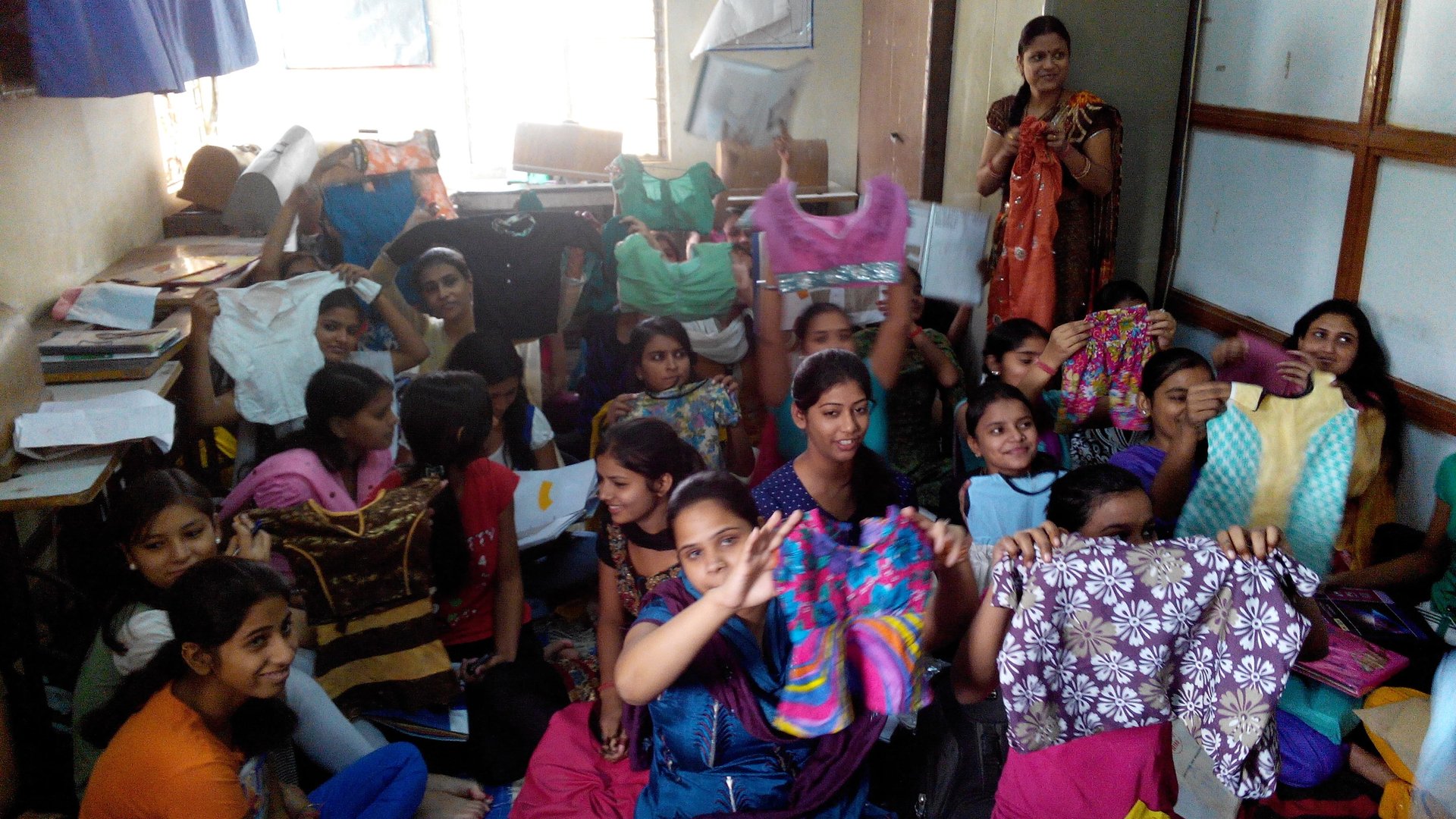
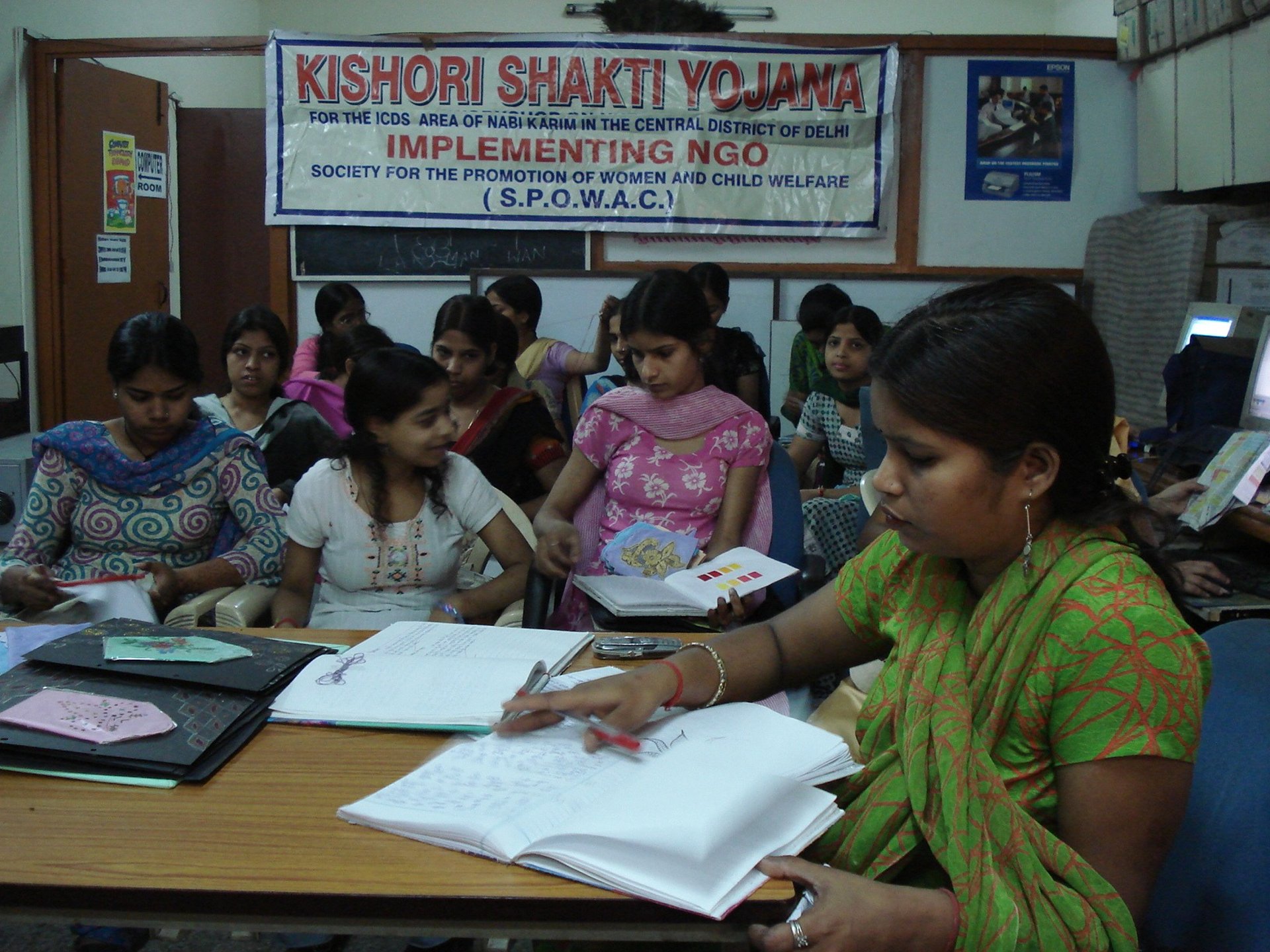
Mission Convergence’s (Samajik Suvidha Kendra (SSS))
Overview
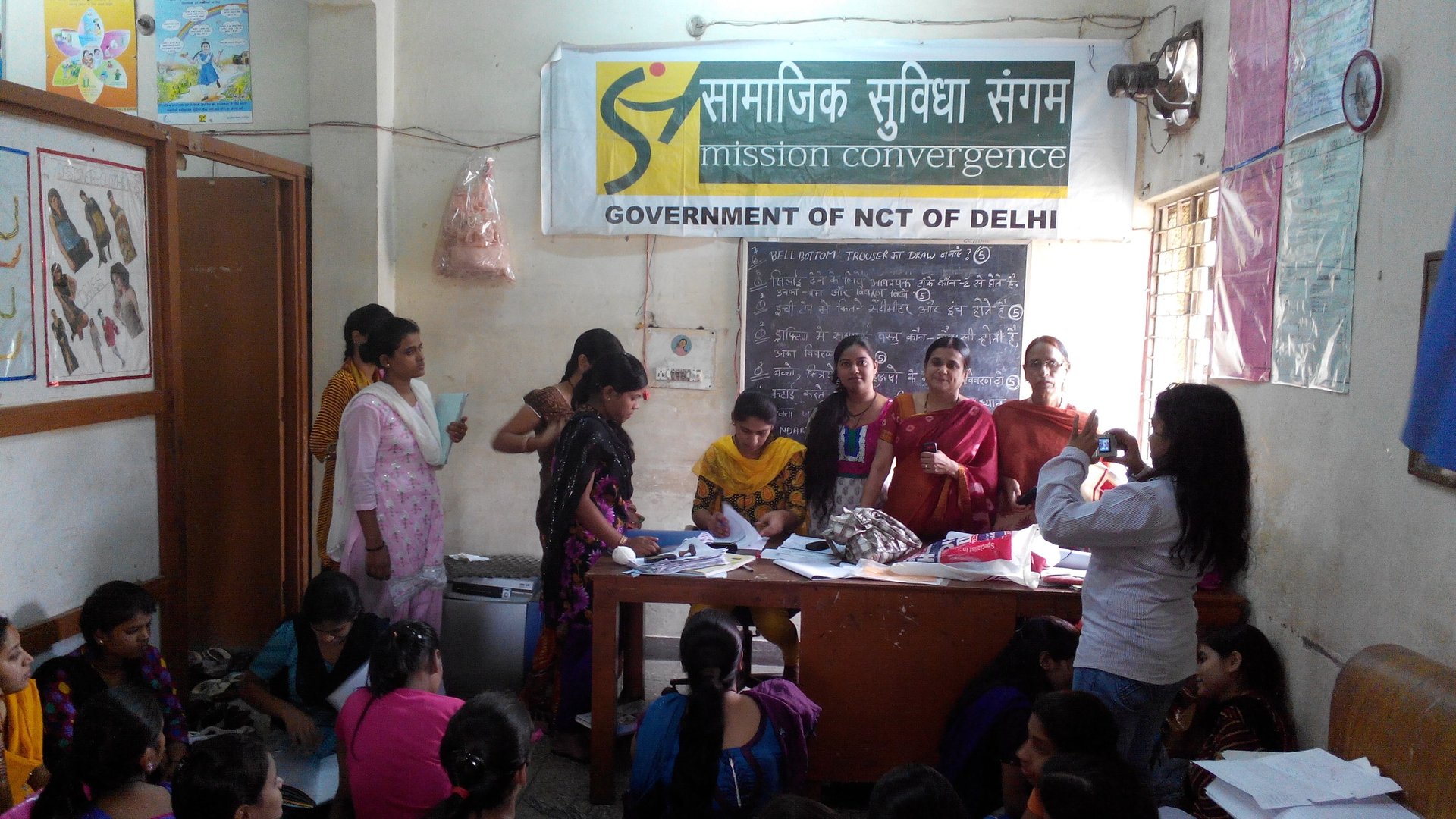
The SPOWAC- Samajik Suvidha Kendra (SSS) was implemented as a government-sponsored community service centre designed to deliver a range of essential social services at the local level. The project operated as a single-window facility that consolidated citizen services, welfare outreach, and capacity-building activities to make government benefits more accessible, transparent, and timely for residents of the target area.
Objectives
The SSS project aimed to:
· Provide a convenient, one-stop access point for government schemes and welfare services.
· Reduce administrative delays and improve transparency in benefit delivery.
· Strengthen information outreach so that eligible households were aware of entitlements.
· Offer basic civic services and support for vulnerable groups, including the elderly, women, and differently abled citizens.
Key Activities
During its operational phase, SSS carried out the following activities:
· Hosted regular help-desk hours where citizens could apply for or inquire about social welfare schemes, identity and entitlement documents, and subsidies.
· Assisted applicants through form-filling, document verification, and submission procedures to relevant departments.
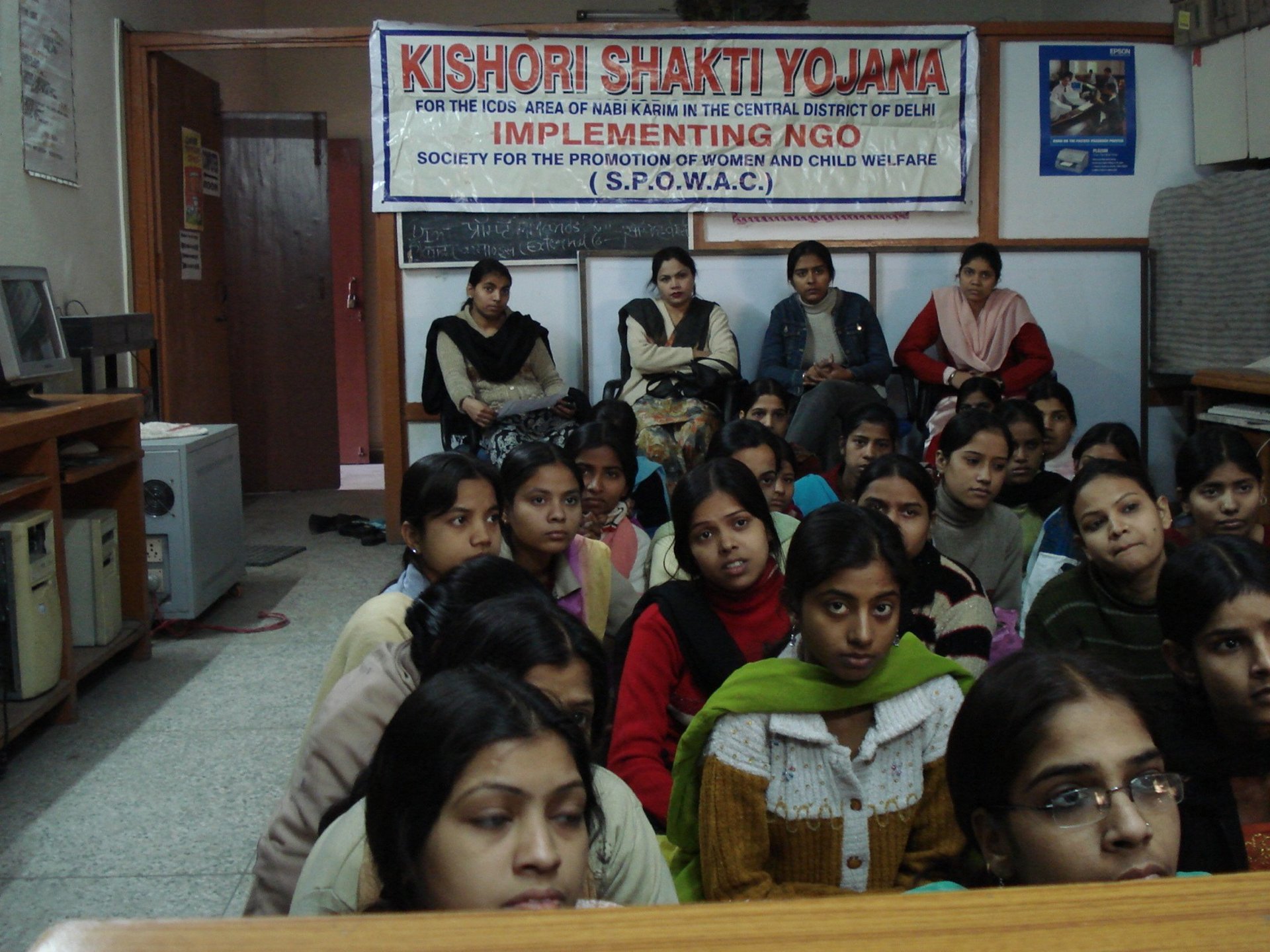
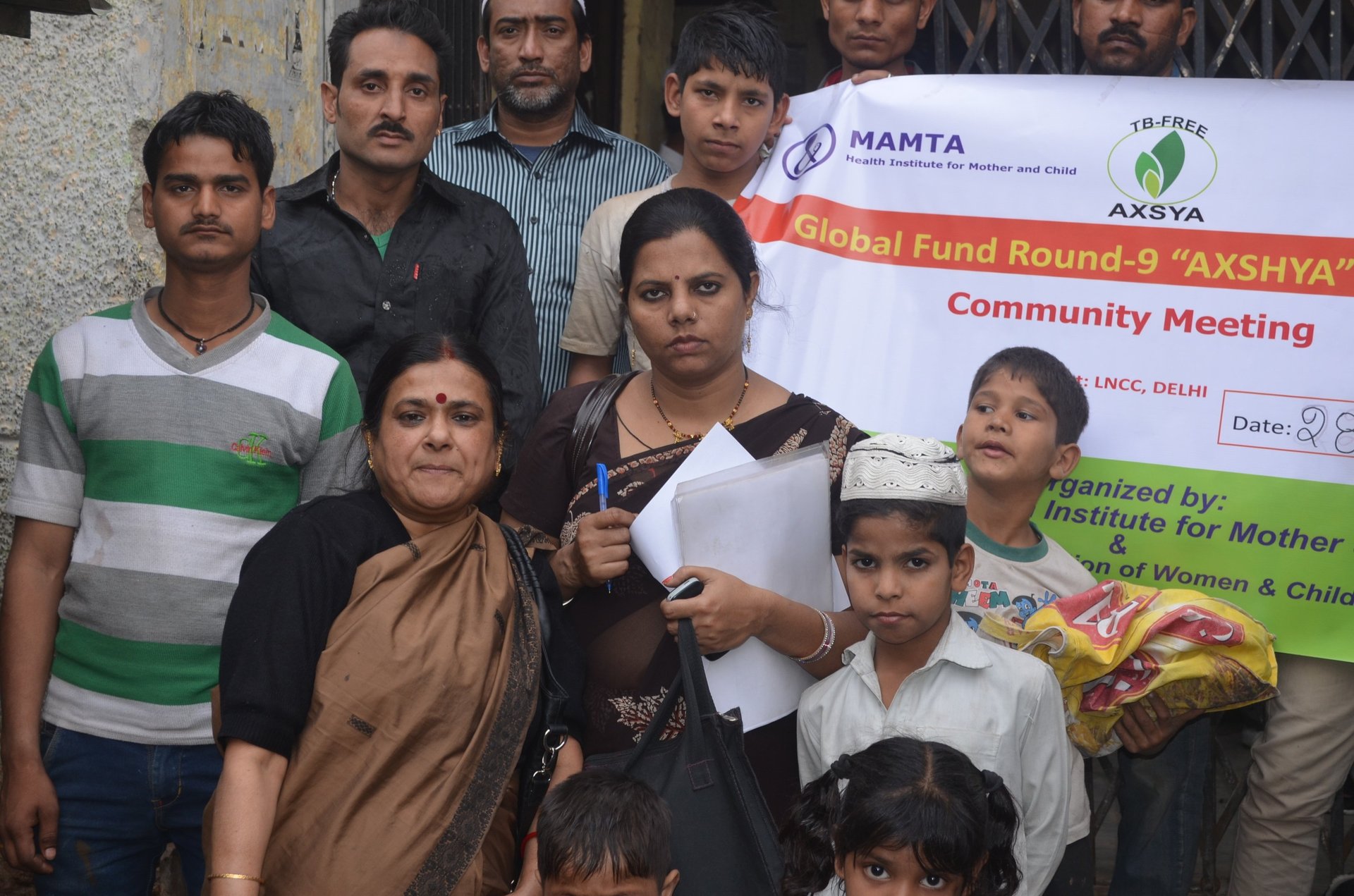
· Organized awareness camps and community meetings to explain eligibility, application steps, and grievance redress mechanisms.
· Coordinated with local government offices, health camps, and vocational partners to deliver periodic services (e.g., health checkups, skill-development signups).
· Maintained a local register of needs and case follow-ups to ensure that pending or complex cases were tracked until resolution.
Outcomes & Impact
The SSS project noticeably improved access to government services for local residents. It reduced the need for multiple visits to distant offices and cut down paperwork confusion by providing in-place assistance. Vulnerable families were better informed about entitlements and were supported to apply for pensions, subsidies, and other benefits. Community feedback indicated higher citizen satisfaction with the speed and clarity of service delivery and with the centre’s role as an approachable interface to government programs.
Implementation & Partnerships
The project was implemented in collaboration with municipal officials and line-departments, and it engaged local community leaders to improve outreach. Periodic coordination meetings with district authorities helped resolve bottlenecks and ensured documents and approvals were processed with priority. Volunteers and community outreach workers were trained to staff the centre and to handle common queries sensitively.
Challenges & How They Were Addressed
SSS encountered familiar implementation challenges: intermittent staffing shortages, occasional delays from linked government departments, and initial community skepticism. The project addressed these through cross-training of staff, establishing a clear escalation protocol with departments, and sustained local outreach (door-to-door awareness and small public meetings) to build trust.
Lessons Learned
· One-stop community centres were most effective when backed by clear inter-departmental SLAs and an internal tracking system.
· Local outreach and human support for paperwork were essential to include marginalized households.
· Ongoing training of centre staff and volunteers improved quality and reduced processing errors over time.
Conclusion
The SPOWAC-Done Samajik Suvidha Kendra successfully served as a practical model of decentralized service delivery. By bringing government services closer to people—and by prioritizing clarity, follow-up, and local partnerships—the project helped simplify access to entitlements and strengthened citizen trust in the public system. The experience provided a replicable framework for similar community service centres elsewhere, with clear emphasis on coordination, staff capacity, and sustained outreach.
Support
Join us in making a difference today.
Mandatory Document Numbers
© 2025. All rights reserved.