PC-PNDT (Pre-Conception and Pre-Natal Diagnostic Techniques)
GOVERNMENT PROJECTS
SPOWAC
PC-PNDT (Pre-Conception and Pre-Natal Diagnostic Techniques)
Overview
SPOWAC successfully implemented the PC-PNDT (Pre-Conception and Pre-Natal Diagnostic Techniques) Government Project with the aim of strengthening awareness, compliance, and monitoring mechanisms related to the prevention of gender-biased sex selection. The project operated as an important outreach and community engagement initiative to support the objectives of the PC-PNDT Act and promote gender equality at the grassroots level.
Project Objectives
The project was designed to:
· Increase public awareness about the legal provisions of the PC-PNDT Act.
· Sensitize communities about the harmful social and ethical impacts of gender-biased sex selection.
· Support government authorities in monitoring, reporting, and community-level education.
· Promote a positive mindset towards the girl child through sustained behavioural change communication.
Key Activities Undertaken
During the course of the project, SPOWAC carried out a range of structured activities:
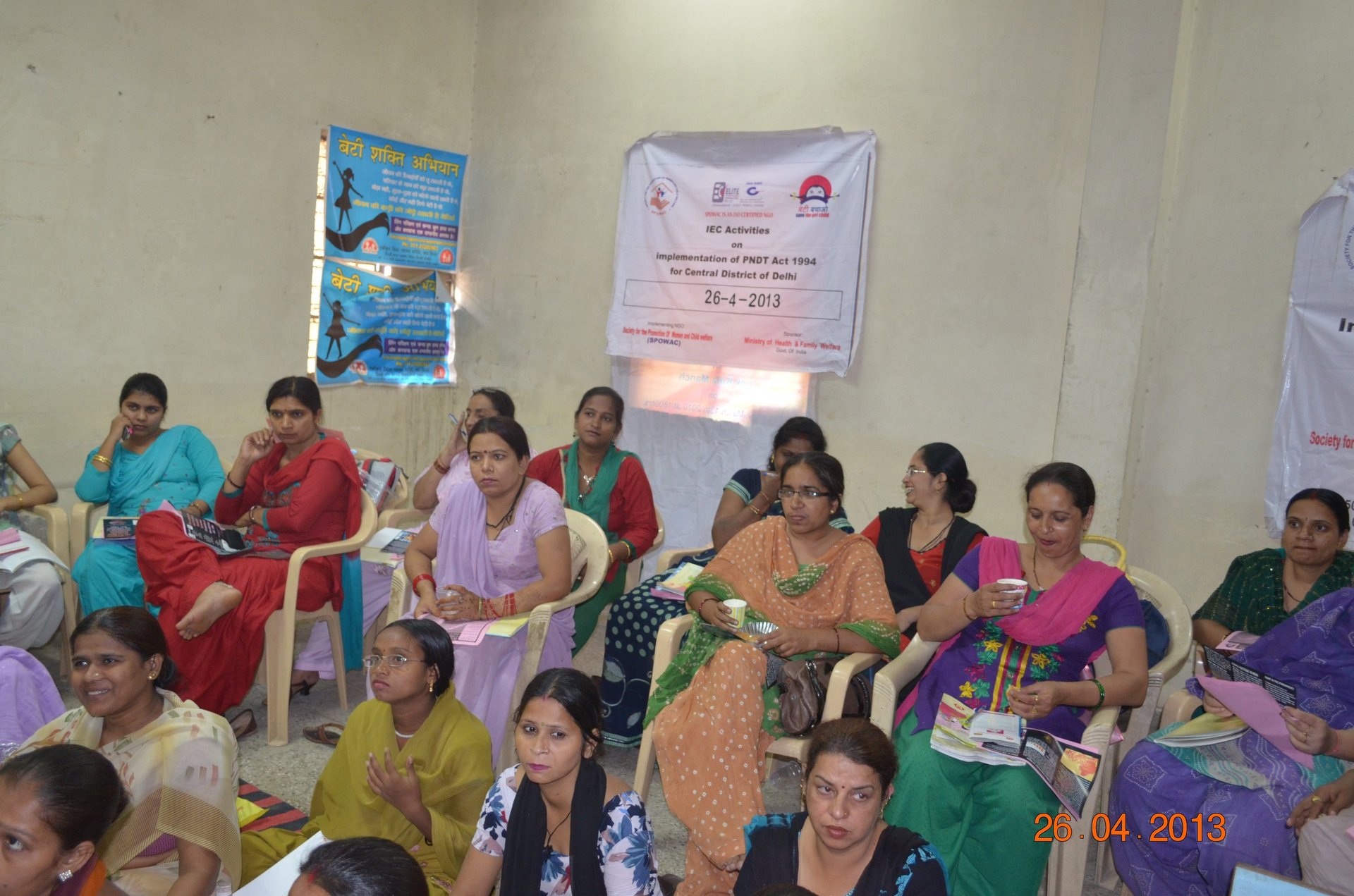
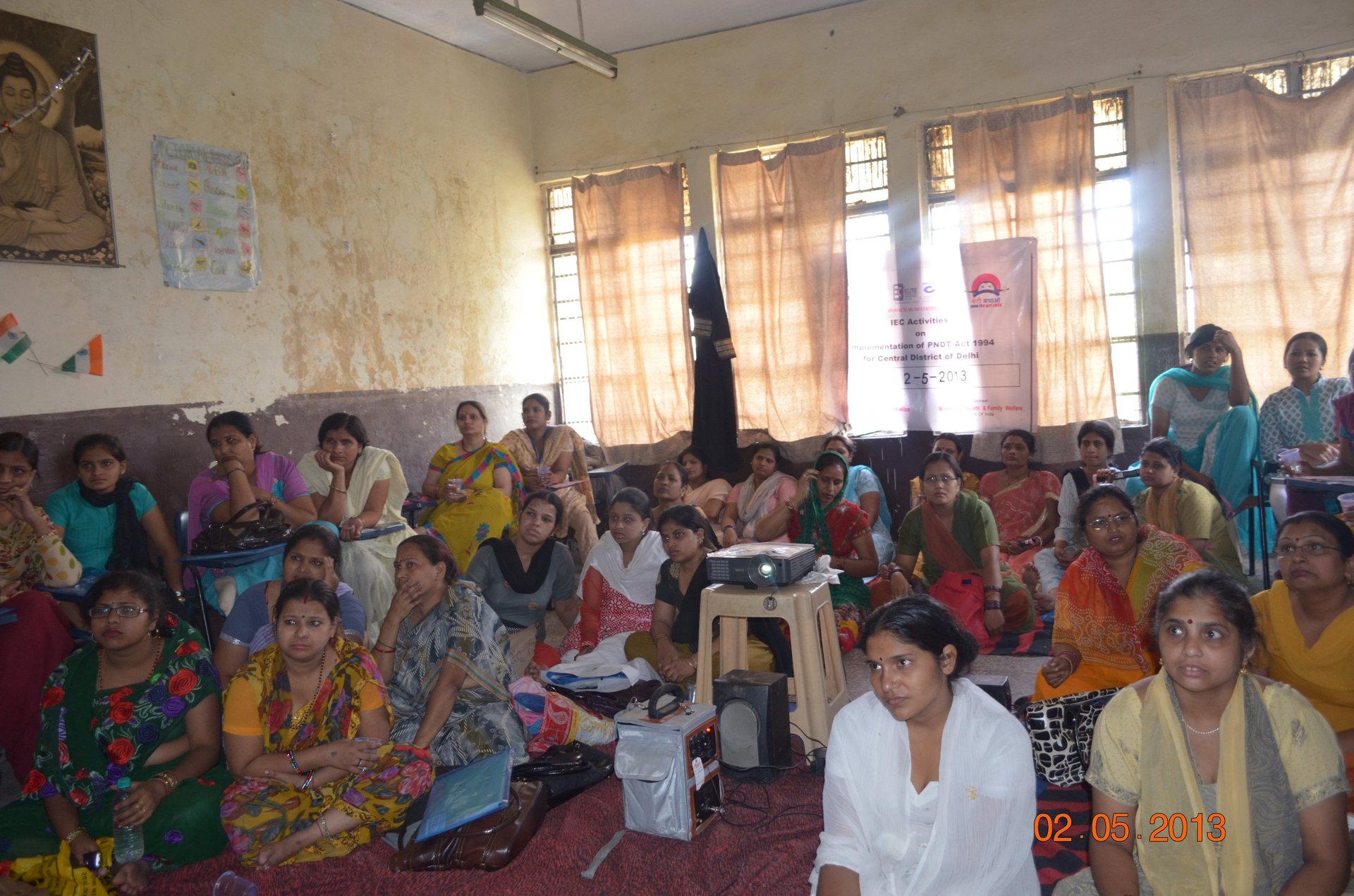
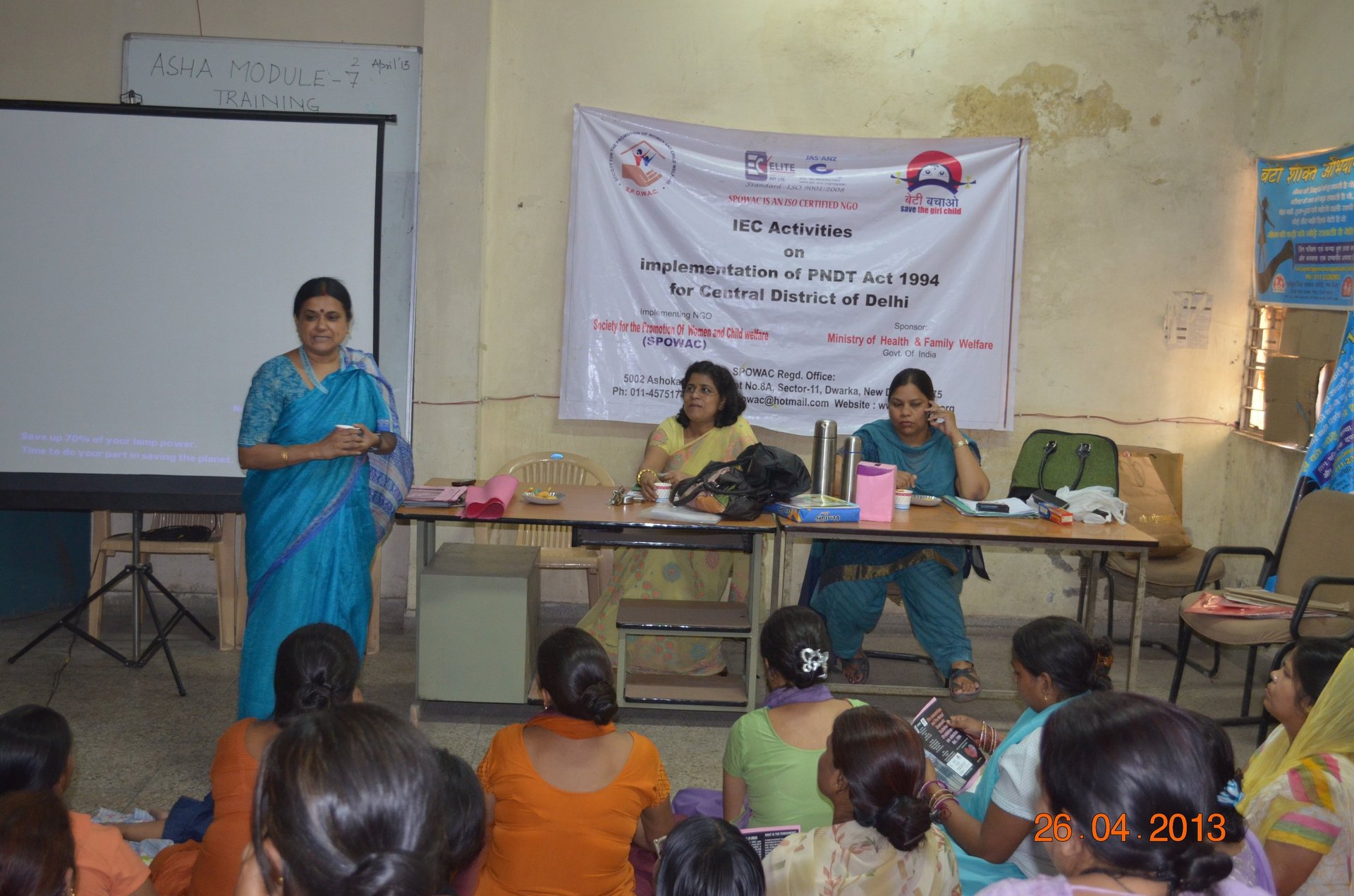
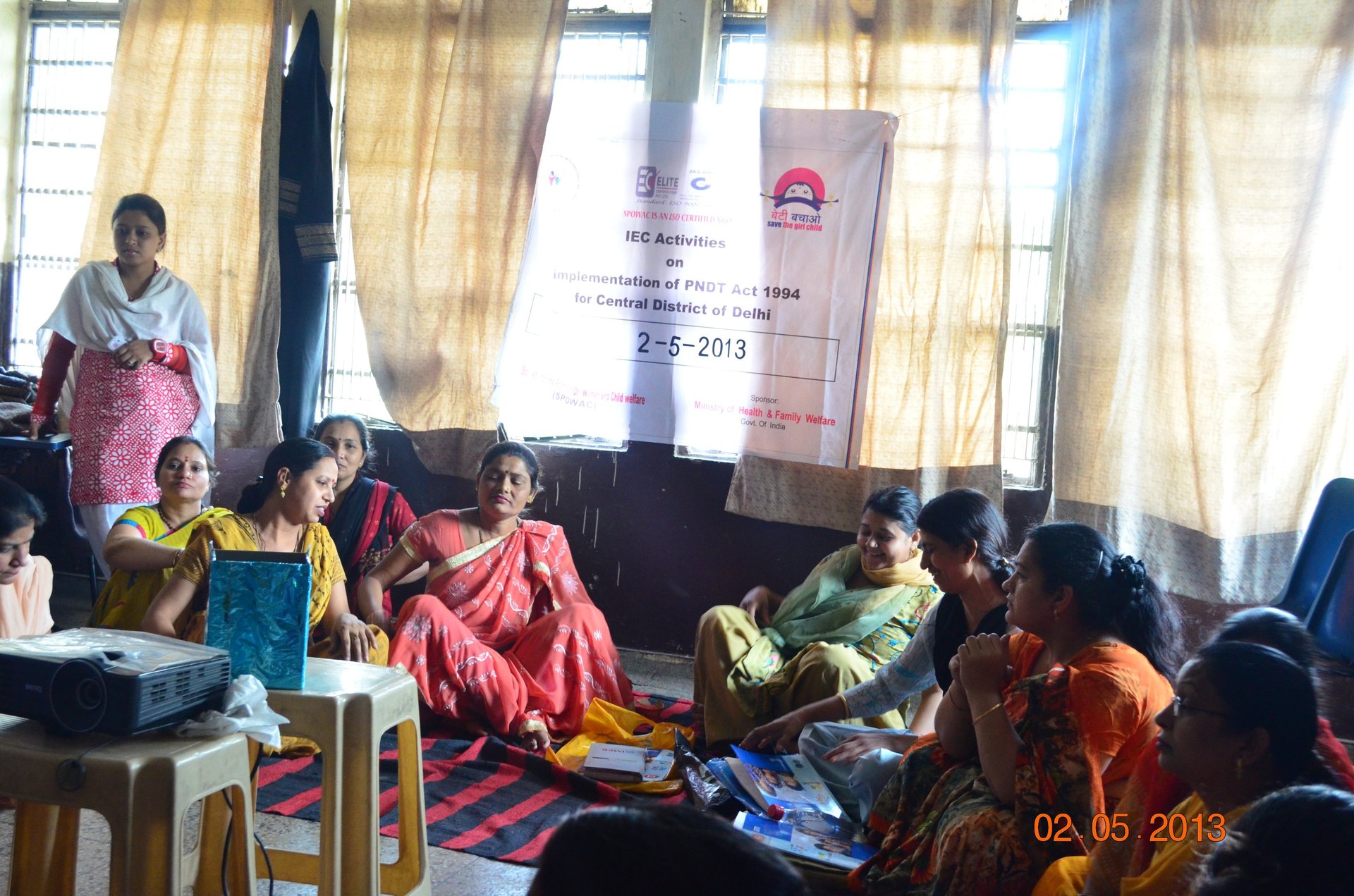
· Awareness Sessions & Community Meetings: Conducted group discussions, street plays, and interactive sessions to educate families, youth groups, and women’s collectives.
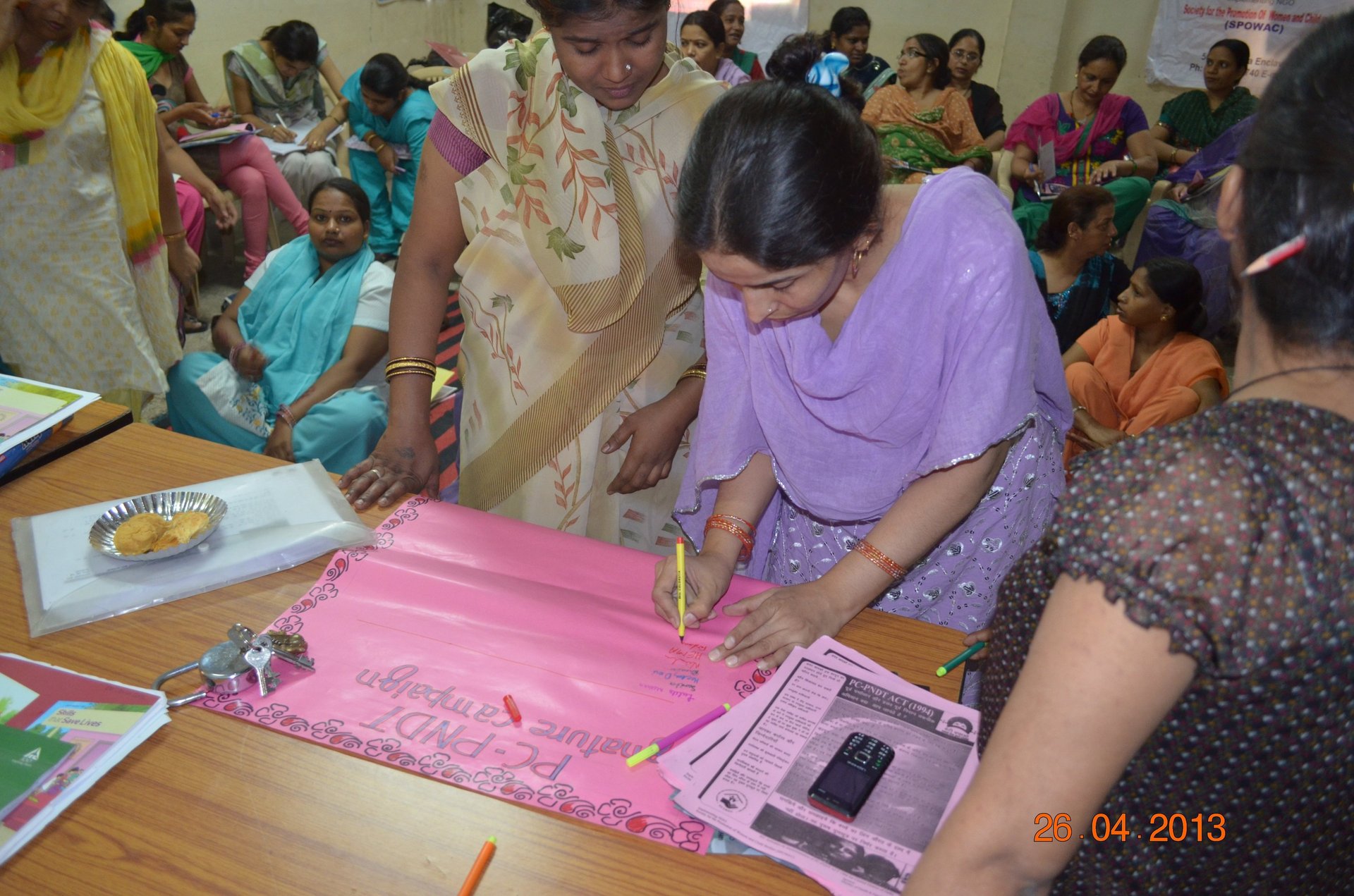
· Capacity-Building Workshops: Trained ASHA workers, Anganwadi staff, and community influencers on PC-PNDT guidelines, reporting mechanisms, and counselling approaches.
· IEC Campaigns: Developed and distributed posters, leaflets, and visual messages that communicated the legal consequences of sex-selection practices and promoted the value of the girl child.
· District-Level Coordination: Supported local health departments in organizing inspections, record reviews, and monitoring visits to ensure compliance among diagnostic centres.
· Helpline & Counselling Support: Facilitated guidance for individuals seeking information or reporting violations, while maintaining confidentiality and linking cases to appropriate authorities.
Impact & Achievements
The project significantly strengthened public understanding of the PC-PNDT Act and improved collaboration between government stakeholders and community groups.
Key results included:
· Increased reporting of suspected violations due to better community awareness.
· Stronger coordination between health officers, diagnostic centres, and field workers.
· Positive behavioural shifts in families exposed to repeated awareness and counselling sessions.
· Enhanced visibility of gender equality messaging through consistent IEC outreach.
Implementation Strategy
SPOWAC adopted a grassroots-driven approach, combining community mobilization with structured coordination at the district level. Regular interaction with health officials ensured smooth execution, while effective engagement with women and youth groups ensured messages reached the most influential decision-makers in families.
Challenges Faced
The project encountered challenges such as cultural resistance, stigma around discussing pre-natal practices, and misinformation about legal provisions. SPOWAC addressed these issues through patient counselling, repeated awareness visits, and partnership with trusted community leaders to strengthen credibility.
Conclusion
SPOWAC’s implementation of the PC-PNDT Government Project played an important role in reinforcing legal compliance and cultivating an environment that valued the girl child. By blending awareness, community participation, and coordination with health authorities, the project contributed to long-term efforts to eliminate gender-biased sex selection and promote gender justice.
Support
Join us in making a difference today.
Mandatory Document Numbers
© 2025. All rights reserved.